Safety & Mobility Plan

The Kalkaska Safety & Mobility Plan, adopted in Spring 2025, outlines strategic improvements to enhance transportation safety and connectivity throughout the Village. Developed through extensive public engagement and collaboration with MDOT and regional partners, the plan prioritizes projects that calm traffic, improve pedestrian and bicycle access, and strengthen Kalkaska’s downtown environment. 
Kalkaska Awarded the SS4A grant Funding Awarded December 2025


Big news for Kalkaska!

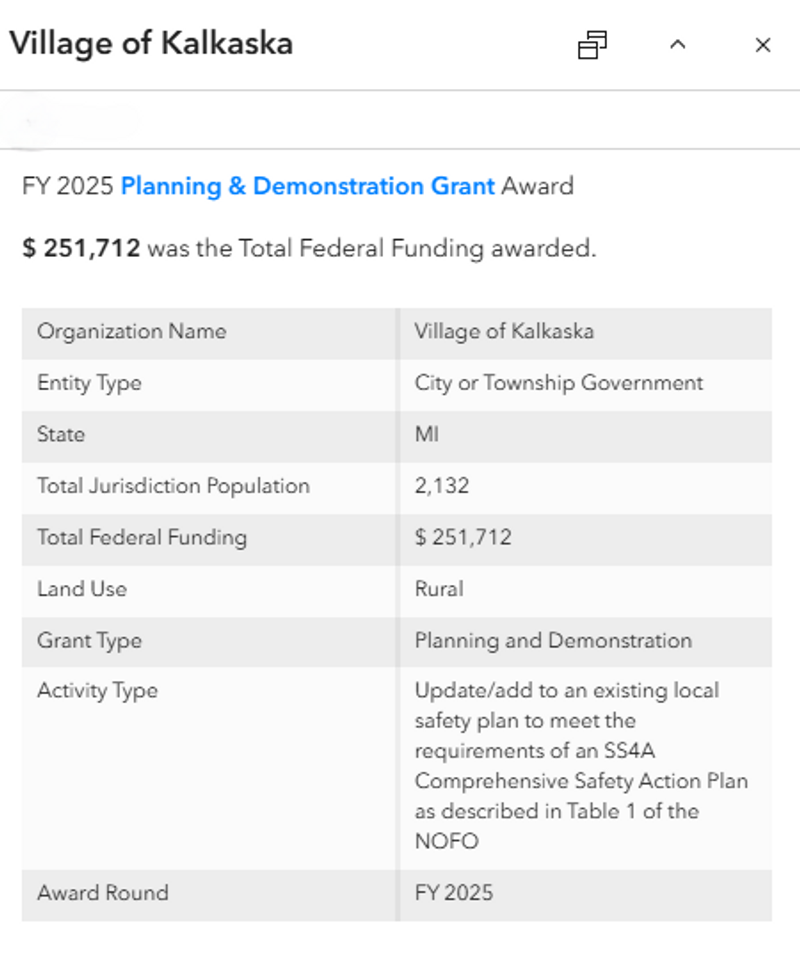
We are thrilled to share that the village of Kalkaska has been awarded $257,712 from the U.S Department of Transportation’s Safe Streets for All aka the SS4A program, SS4A Grant !

As part of this SS4A initiative, this funding will allow the Village to update and expand its local safety & Mobility plan. The goal is to develop a comprehensive safety action plan aimed at reducing the roadway fatalities and serious injuries within our community.

This grant is a vital step to ensure our streets are safer for all residents, whether they are driving, walking, or cycling. 

The Safe Streets for All grant program awards can be found Here 
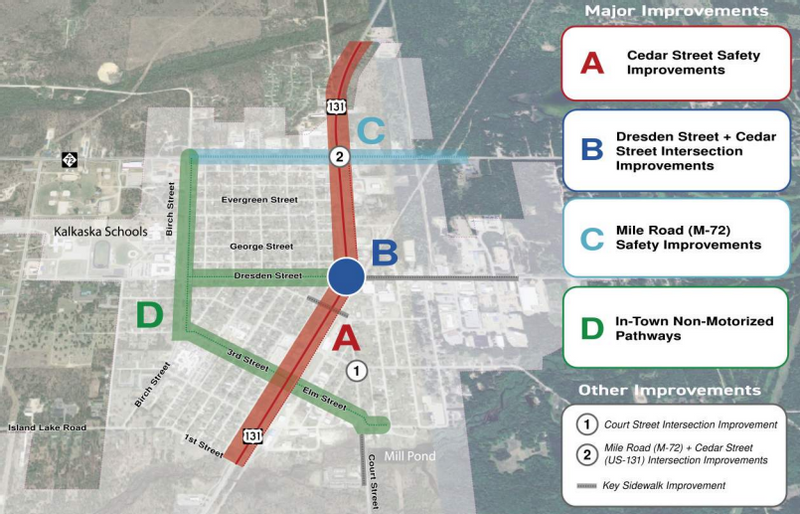
Key areas of Improvement

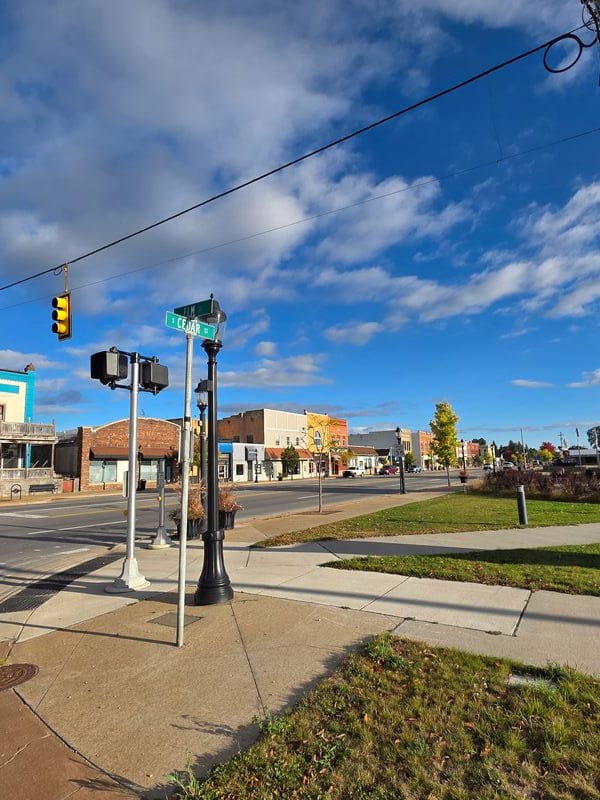
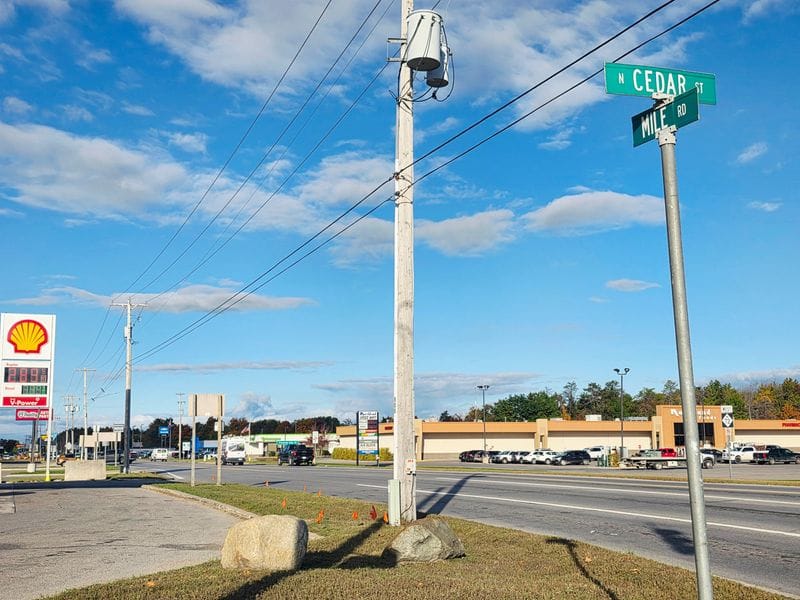
  • Cedar Street (US-131) functions as a high-speed highway through downtown, creating safety risks and discouraging pedestrian activity
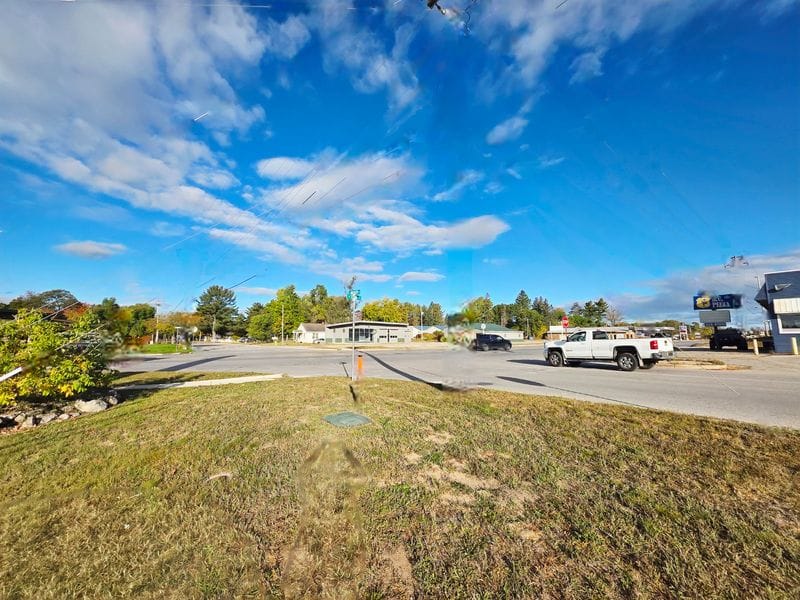
  • Dresden Street intersection is one of the most dangerous crossings, with poor visibility and crash history
  • Mile Road (M-72) lacks sidewalks and safe pedestrian crossings
  • Non-motorized Network The non-motorized network (sidewalks, trails, pathways) is incomplete, limiting safe connections between schools, parks, and downtown

Cedar Street Redesign

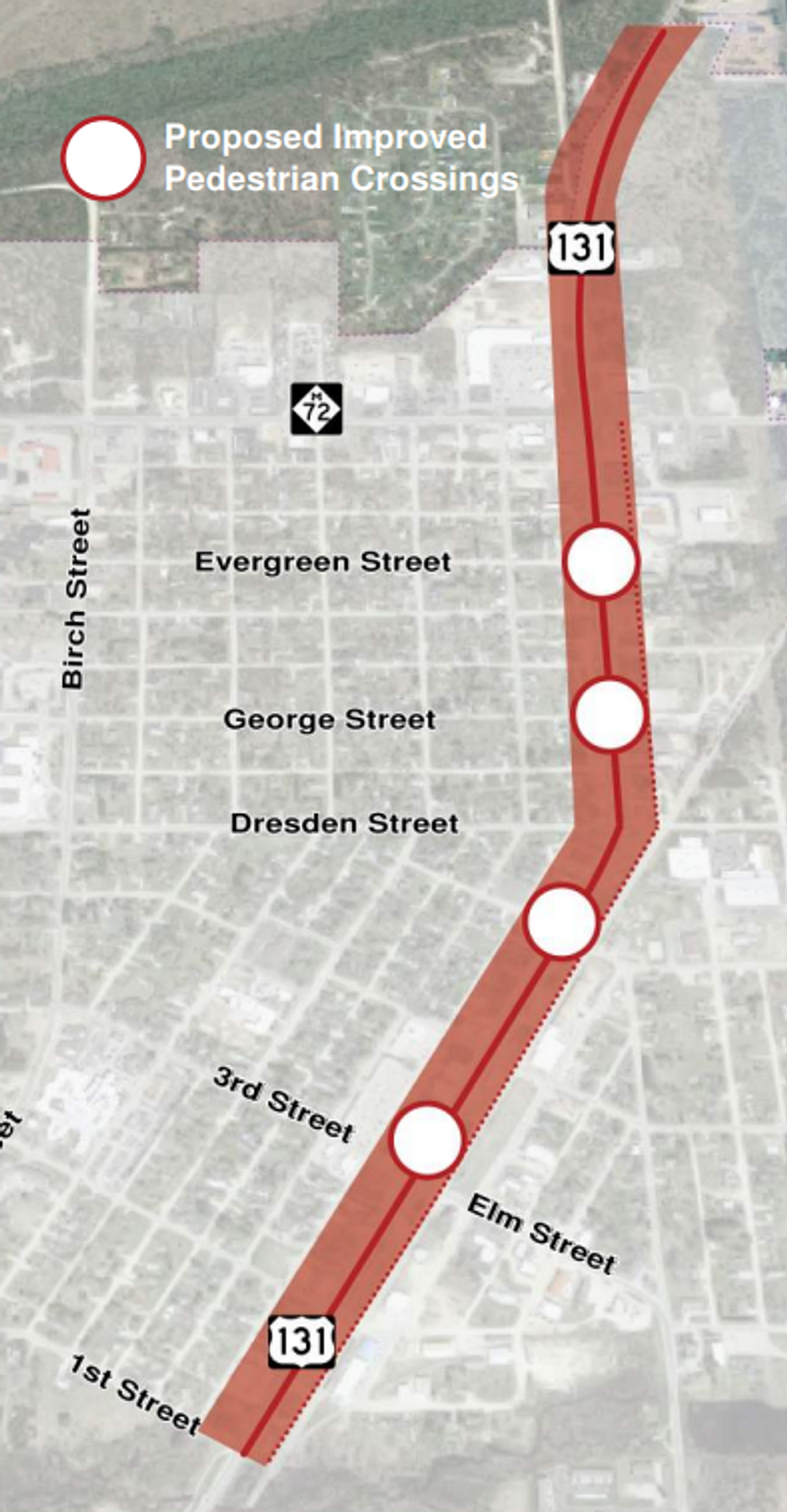
It will reduce lanes to calm traffic and add landscaped medians, safer crosswalks, and a new pathway connecting downtown, Chalker Park, and the library.


Dresden Street Intersection

Options include a traffic signal, roundabout, or pedestrian refuge islands to improve safety and access.

Mile Road (M-72)

Add sidewalks and safe crossings connecting Northland Center, schools, and nearby neighborhoods.

In-Town Non-Motorized Network

Create a connected loop of sidewalks and pathways linking key destinations like downtown, schools, and Log Lake.

Implementation and Funding

  • Projects are prioritized based on safety impact, connectivity, cost, and maintenance. Funding will be sought through MDOT partnerships, federal programs (TAP, HSIP, SS4A), and state or local grants. Pilot projects like temporary lane reductions will test ideas before full implementation.
  • The plan aligns with MDOT’s Mobility goals and the Village Master Plan, supporting Kalkaska’s vision for a vibrant, accessible, and healthy downtown

Approved Safety & Mobility Plan